
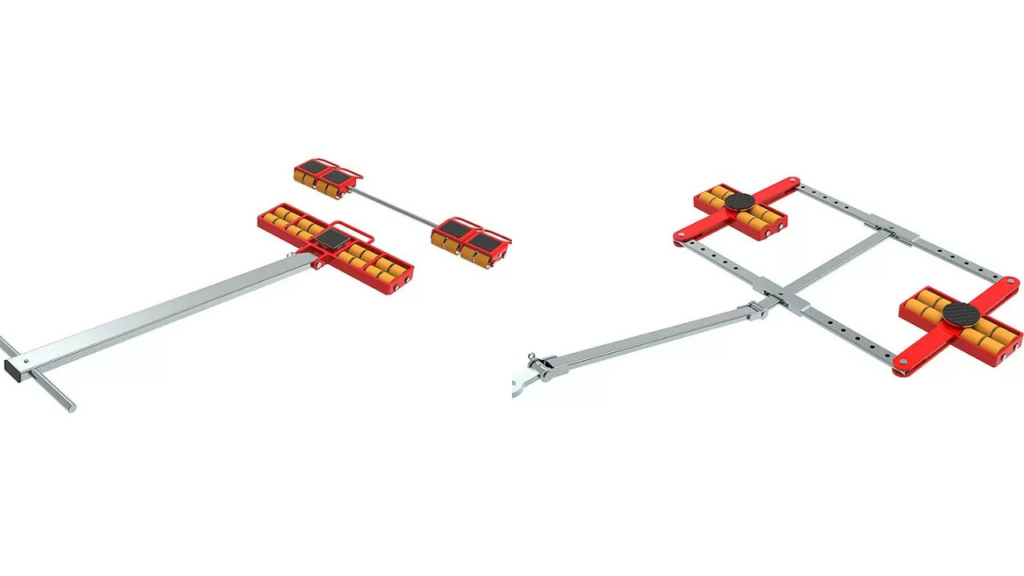
Moving heavy equipment is never just about getting from one place to another. The setup you choose can affect safety, efficiency, and how smoothly the entire operation runs. One of the most common decisions teams face is whether to use a 3-point or 4-point machine skate configuration. Both are proven solutions, but each works best in different situations.
Understanding how these systems behave under load can help you make the right choice before the move even begins.
How Machine Skate Configurations Work
A 3-point machine skate system typically includes two rear skates and one steerable front skate. This triangular setup allows the load to pivot smoothly and makes directional changes easier. Because three points naturally define a plane, the system tends to remain stable even when floors are not perfectly level.
A 4-point system uses four skates placed at each corner of the load. This configuration evenly distributes weight across all contact points and is often chosen when stability and load distribution are the primary concerns.
While both systems are designed to handle heavy loads, how they respond during movement sets them apart.
When a 3-Point System Is the Better Choice
3-point systems are commonly used when maneuverability matters. The steerable front skate gives operators greater control, making it easier to navigate tight spaces or guide equipment along complex paths.
This setup is especially useful inside active facilities where equipment must be moved around obstacles or positioned with precision. It also performs well on slightly uneven floors, since the system naturally adjusts without placing unnecessary stress on the load.
For machinery that requires careful alignment at its final location, a 3-point configuration often provides the level of control needed to complete the move safely.
Where a 4-Point System Shines
A 4-point machine skate system is often selected for straight-line moves and extremely heavy loads. By supporting the load at all four corners, this configuration offers excellent stability and predictable movement.
Facilities with strong, level floors may prefer a 4-point system when moving large machinery, industrial components, or equipment that does not require frequent steering adjustments. The even weight distribution can also help reduce point loading on the floor, which is important when dealing with very heavy equipment.
Factors to Consider Before Choosing
The right configuration depends on several factors, including load weight, center of gravity, floor condition, and the path the equipment needs to travel. A 3-point system may be better suited for tight or uneven environments, while a 4-point system may be ideal for open spaces and heavier loads.
Wheel material also plays a role. Nylon wheels are often chosen for durability on concrete, while polyurethane wheels provide smoother movement and added floor protection. Matching the right skate configuration with the right wheel type can make a noticeable difference during a move.
Choosing the Right Setup for a Safer Move
Every equipment relocation is different, and there is no single solution that works for every situation. Taking the time to evaluate your load, floor conditions, and maneuvering requirements helps ensure the move is completed safely and efficiently.
If you are planning an upcoming move and want to explore professional-grade 3-point and 4-point machine skate solutions, HTS Direct LLC offers a full range of machine-moving equipment engineered for demanding industrial environments. From steering skates to complete complete load-moving systems, our products are designed to support plant managers, rigging professionals, and maintenance teams who need reliable performance when moving heavy equipment.
For more information about our products or to discuss your specific needs, please call us at (616) 591-3945 or complete our online contact form today.